Once Upon a Time Embroidery Design Review
As an embroidery designer and product reviewer with years of experience in crafting, I always approach new digital embroidery files with a critical eye. When I first downloaded Once Upon a Time, the design immediately caught my attention with its warm, whimsical tone and clean layout. It’s one of those inspirational quote designs that feels like it could belong on just about anything—tote bags, baby clothes, even sweatshirts—but it also demands thoughtful placement to truly shine.
First Impressions: Mood and Visual Personality
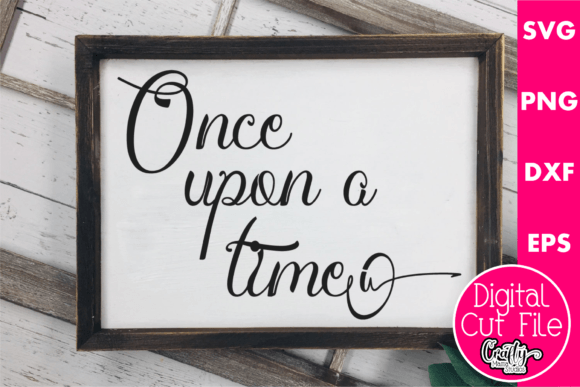
The phrase “Once Upon a Time” is written in a soft, flowing script that gives off a sense of nostalgia and creativity. The overall shape of the design is elongated but balanced, making it versatile for different fabric types and project formats. The spacing between letters is generous, which helps avoid overcrowding when applied to smaller areas. The layout includes subtle decorative flourishes at the beginning and end of the text, adding a touch of charm without overwhelming the central message.
This design naturally fits into projects that aim to evoke sentimentality or storytelling. Think personalized gifts, nursery decor, or holiday-themed items. Its visual personality is gentle and elegant, perfect for creating a handmade feel while still maintaining professionalism.
Real-Life Application: Tote Bag Embroidery Test
I decided to test Once Upon a Time on a custom embroidered tote bag—a common request among crafters and Etsy sellers. After transferring the SVG file into my embroidery software, I was impressed by how easily it scaled to fit the available space. The design didn’t lose its character when resized, which is a big plus for someone who wants flexibility across various products.
On a medium-weight cotton canvas, the stitch rendering looked smooth and well-structured. The satin stitches along the main text were tight and consistent, and the fill stitches in the decorative elements filled the shapes evenly. I noticed that the running stitch outlines helped define the edges clearly, especially when using multiple thread colors.
However, I had to adjust the stabilizer type and density to ensure the fabric didn’t pucker under the weight of the embroidery. Cotton canvas can be forgiving, but if you’re working with a thinner or more delicate material, this might require extra care.
Best Use Cases for Once Upon a Time
- Custom Apparel: This design works particularly well on sweatshirts and t-shirts where a soft, inspirational message is appropriate. Its gentle curves and lack of sharp angles make it comfortable against the skin and visually appealing on curved surfaces like rounded necklines.
- Baby Items: The nostalgic theme makes it ideal for baby clothes or nursery décor. A stitched version on an apron or onesie could serve as a meaningful keepsake.
- Tote Bags & Aprons: The design adds a personal touch to everyday carry items. As long as the fabric is stable enough to handle the stitching, it looks great on woven materials.
- Patches and Pouches: For small shop owners or hobbyists, using Once Upon a Time as an embroidered patch or on a pouch can elevate the perceived value of their handmade goods.
- Holiday Gifts and Decor: The storybook vibe suits Christmas stockings, ornament tags, or gift boxes. It brings a classic yet modern feel to festive items.
- Commercial Projects: If you're an Etsy seller or part of a small craft business, this design can add a professional edge to your listings. Just remember to confirm licensing before selling finished products or digital embroidery files.
Where Caution Is Advised
While Once Upon a Time is adaptable, there are certain scenarios where it may not perform as expected. Here are a few things to keep in mind:
- Small Hoop Sizes: The decorative accents are intricate and may get lost if you try to shrink the design too much. Always check the minimum hoop size recommendation.
- Textured Fabrics: On flannel, denim, or canvas with a rougher texture, the fine details in the script might become less legible after stitching. A good test run is essential here.
- Stretchy or Thin Materials: Avoid using this design on stretchy knits unless you have a high-quality stabilizer and a machine capable of handling such fabrics. Thin linens or silks may show through the back, depending on the stitch density.
- Dark Fabric Backgrounds: The default thread color choices work best on light backgrounds. If you plan to use it on darker materials, consider switching to white or metallic threads for better contrast.
- Curved Surfaces: While the design adapts well to slightly curved areas like the front of a cap or hat, overly curved surfaces can distort the flow of the script. You’ll want to do some trial runs on similar surfaces before going full-scale.
Design Impact on Product Value and Customer Perception
Using Once Upon a Time in your next project can significantly enhance its emotional appeal. Customers respond well to designs that tell a story or inspire feelings of warmth. Whether it's a personalized gift or a boutique branding piece, this design adds a layer of sophistication that makes your product stand out.
In terms of stitching clarity, the design holds up well when tested properly. But because of the detailed corners and flourishes, it’s important to review the stitch path carefully to prevent any distortion during the actual embroidery process. If used correctly, the design contributes positively to brand consistency and product recognition, especially for businesses focused on lifestyle, home décor, or children's products.
Designer Tips for Real Project Use
Here are a few practical notes I’ve picked up while working with this design:
- Test on Scrap Fabric First: Especially if you're planning to scale the design down or use it on an unusual material. See how the stitch density affects the outcome.
- Check Thread Color Contrast: Make sure the chosen thread complements the background fabric. Lighter tones pop best on dark bases, and vice versa.
- Review Stitch Density: In areas with dense fill stitches, consider reducing the stitch count slightly if the fabric tends to pucker. This will help maintain the integrity of the final product.
- Confirm Hoop Size: If the file doesn't specify the recommended hoop size, double-check based on your machine's capabilities and the size of your finished product.
- Inspect Small Details: Zoom in on the SVG file before sending it to the machine. Tiny lines or flourishes can sometimes cause issues if they’re not optimized for embroidery.
- Use Proper Stabilizer: Depending on your fabric choice, a tear-away or cut-away stabilizer might be necessary to prevent shifting or puckering during stitching.
- Test in Black and White: Sometimes, the visual impact of a design is easier to evaluate in grayscale. Try printing a mockup to see if the contrast works well for your intended look.
- Compare Light and Dark Backgrounds: Digital embroidery files often come with suggested thread colors, but lighting conditions can change the perception of contrast. Always preview on both light and dark swatches.
- Confirm Licensing: If you're planning to sell finished products or offer the design as a digital download, verify whether the license allows commercial use. Many free SVG files don’t permit resale of the finished item.
Why This Design Works Well in Craft Businesses
For Etsy sellers and small shop owners, the Once Upon a Time design is a solid addition to your portfolio of embroidery project assets. It’s not overly complex, so it won’t eat up too much time or cost too many materials, yet it’s unique enough to catch a buyer’s eye.
Its giftability factor is high, especially for customers looking for something heartfelt or memorable. When paired with a printable mockup, it becomes a powerful tool for showcasing your handmade product line online or at craft fairs.
What I appreciate most is how the design maintains a balance between simplicity and elegance. It doesn’t scream for attention, but rather invites the viewer to pause and reflect—which is exactly what makes it effective for personalized gifts and sweatshirt embroidery.
Final Thoughts on Once Upon a Time
Embroidery is more than just sewing pretty patterns—it's about intention, execution, and understanding the nuances of each design. Once Upon a Time has all the right ingredients for a successful machine embroidery design, but like any good recipe, it needs the right preparation to bring out the best flavor.
If you're considering this design for your next craft business project, I recommend taking the time to test it thoroughly. Evaluate the visual appeal in real-world lighting, check the thread colors against your planned fabric, and always inspect the finished product before shipping or displaying it publicly.
When used thoughtfully, Once Upon a Time can become a signature element in your collection of design assets. It adds depth, character, and a hint of magic to whatever you choose to embroider—whether it’s a cozy pillow cover or a holiday gift destined for someone special.