I Don’t Takes Orders I Barely Takes
As an experienced embroidery designer and product reviewer, I always approach new machine embroidery designs with a mix of curiosity and caution. The phrase "I Don't Takes Orders I Barely Takes Suggestions" caught my eye not just for its bold personality, but also because it reflects the kind of attitude that makes a design memorable in the world of crafts and handmade products. This is more than just another embroidery file—it’s a statement piece with potential across a wide range of projects.
First Impressions: A Design That Speaks
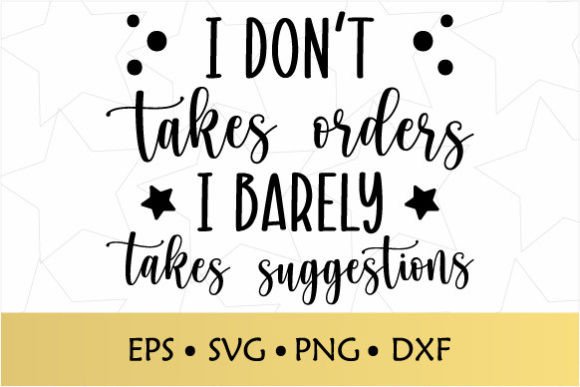
The first thing that stands out about this design is its confident tone and clear visual message. The layout feels modern and assertive, with strong typography and minimal clutter. It doesn’t scream—it roars, and that can be a powerful trait in custom apparel, especially when targeting customers who value individuality and humor. As someone who often works with digital embroidery files, I appreciate how clean the lines are and how well they translate into stitchable elements.
Visually, the text-based nature of the design gives it a straightforward yet edgy look. There's enough character to make it stand out on fabric without overwhelming the viewer. The balance between negative space and stitched areas allows for easy resizing and adaptation to different stitch density requirements. If you're looking for a design that feels both casual and clever, this one hits the mark.
Real-World Applications: Where This Design Shines
This design has a natural home on items where bold messaging takes center stage. For example, imagine using it on a custom sweatshirt embroidery project for a boutique line. The confidence of the text would resonate with customers who love expressive fashion. Similarly, it could work beautifully as an embroidered patch for denim jackets or backpacks—where a strong, minimalist graphic adds instant personality.
- Tote bags: The flat, even layout translates well onto canvas or cotton, making it ideal for reusable totes. Just ensure your hoop size accommodates the full width of the text.
- Apparel decorators: Whether it's a hoodie or a baseball cap, the design adapts easily to curved surfaces if given enough room around the edges.
- Personalized gifts: Use it on embroidered aprons or kitchen towels for a gift that’s both humorous and functional.
- Commercial embroidery: The simplicity of the embroidery graphics means it can be scaled up for larger formats like pillow covers or wall art, while still keeping its charm intact.
Design Personality and Project Fit
There's a certain rebellious flair to "I Don’t Takes Orders I Barely Takes Suggestions," which makes it perfect for brands that lean into authenticity and self-expression. If you're an Etsy seller or part of a small shop product line, this could become a signature item in your collection. Its tone aligns well with indie boutiques, craft fairs, and any brand that values a touch of sass in their design assets.
However, it’s important to consider the audience. While it may appeal to young adults and creative professionals, the language might feel too informal or unrefined for corporate gifts or formal wear. But for the right demographic, it’s a winner.
Practical Considerations for Stitching Success
One of the biggest pluses of this design is its flexibility. Since it’s provided as a vector file (AI and EPS), you have the freedom to resize it for various applications. However, keep in mind that scaling affects stitch count and overall appearance. Always test the design on scrap fabric before finalizing a handmade product, especially if you’re working with stretchy or textured materials.
When choosing thread colors, opt for high contrast against your fabric. Darker shades will pop best on light backgrounds, and vice versa. I recommend testing the design in black and white to see how it reads visually before committing to specific thread palettes.
Also pay attention to fill stitch and running stitch areas. Dense lettering can cause puckering if not properly supported by stabilizer. If you're planning to use it on thin or delicate fabrics, such as lightweight knits for baby clothes, extra care must be taken during stitching to preserve the integrity of the material.
Where Caution Is Key
While this design is versatile, there are some limitations to consider:
- Small hoop sizes: The design may lose clarity if forced into a tiny hoop. Make sure you have the correct dimensions before setting up your machine.
- Textured or stretchy fabrics: These can distort the straight lines and sharp angles of the text. Stick to stable, woven materials for best results.
- Detailed corners: If the design includes subtle serifs or intricate shapes, these might not render clearly on lower-end machines or with incorrect settings.
- Frequent washing: Designs with dense stitching patterns can wear over time. Choose durable fabrics and appropriate stabilizers if planning for long-term use.
Impact on Visual Appeal and Branding
A good embroidery design should do more than look pretty—it should enhance the product value and strengthen brand consistency. In that sense, "I Don’t Takes Orders I Barely Takes Suggestions" performs admirably. The design’s boldness elevates the perceived quality of the finished product, whether it’s a personalized gift or a commercial embroidery item.
From a customer trust standpoint, a design that communicates confidence and originality can increase buyer engagement. People are drawn to what feels authentic, and this design carries that vibe. When used on a holiday gift or nursery decor, it brings a unique touch that sets your product apart from generic offerings.
For craft business owners, this design can double as a branding tool. It helps establish a consistent visual identity across multiple items, reinforcing your shop’s personality. As a printable mockup asset, it can also serve as a great preview for digital sellers offering embroidery files for resale.
Professional Notes for Embroidery Designers
Here are a few tips based on my experience working with similar designs:
- Always test the design on a sample of your intended fabric before production.
- Use a black and white mockup to evaluate how the design will appear under different lighting conditions.
- Adjust stitch density for thicker or thinner fabrics—especially if you plan to embroider on a kitchen towel or pillow cover.
- Confirm the file format compatibility with your embroidery software. AI and EPS are widely accepted, but double-check to avoid last-minute issues.
- If you're planning to sell the finished product or resell the digital embroidery file, make sure licensing terms allow for commercial use. Without proper authorization, your craft business could face legal complications.
Final Thoughts for Makers and Entrepreneurs
"I Don’t Takes Orders I Barely Takes Suggestions" isn’t just a catchy phrase—it’s a design with character and purpose. It fits naturally into many real-world embroidery projects, from everyday accessories to boutique-style merchandise. What makes it special is how it maintains readability and impact across different scales and uses.
But remember, no design is one-size-fits-all. It needs thoughtful application, the right materials, and a bit of preparation to truly shine. By taking the time to understand its strengths and limitations, you’ll be able to maximize its potential in your next handmade product or embroidery project.
Whether you're a hobbyist looking to personalize a sweatshirt or a creative entrepreneur aiming to build a cohesive product line, this design offers a strong foundation. Just pair it with the right fabric, stabilizer, and presentation, and you’ve got a standout graphics element ready to go.