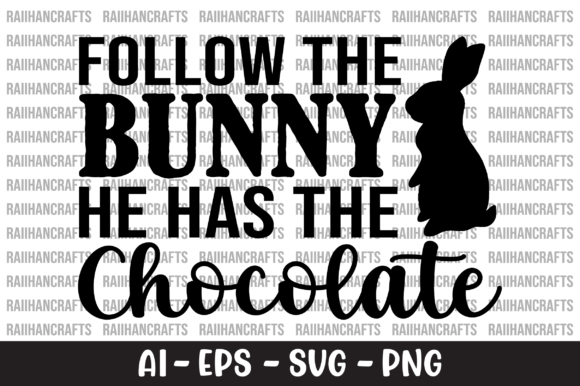
Follow the Bunny He Has the Chocolate
As an embroidery designer with years of experience in crafting and reviewing machine embroidery designs, I always approach a new design with a mix of curiosity and practicality. The title Follow the Bunny He Has the Chocolate immediately piques interest—it's playful yet promises something visually appealing and meaningful for real-world projects. Let’s dive into what this design brings to the table from both a creative and commercial standpoint.
First Impressions and Design Personality
The first thing that stands out about Follow the Bunny He Has the Chocolate is its whimsical charm. It features a stylized bunny holding a piece of chocolate, likely rendered in a soft, cartoonish style that feels inviting rather than over-the-top. The layout is balanced, with enough negative space to allow the design to breathe on different surfaces. This makes it versatile for placement—whether centered on a tote bag or tucked into a corner of a sweatshirt.
From a visual personality perspective, the design exudes warmth and joy. It fits naturally within the realm of holiday gifts, nursery decor, or even as a fun addition to custom apparel for Easter, birthdays, or baby showers. The theme suggests a lighthearted message, which can be perfect for personalized gifts or branded items that aim to connect emotionally with customers.
Layout and Detail Level
The bunny and chocolate are clearly defined, with smooth lines and gentle curves. If the design uses satin stitch for outlines and fill stitch for the body or background, it should translate well to most fabrics. However, the detail level does require attention when considering fabric type and hoop size. For example, if there are intricate elements like whiskers or small text (like "He has the chocolate"), those may need careful testing to ensure they stitch cleanly without distortion.
Real-Life Use Scenarios
I envision using Follow the Bunny He Has the Chocolate on a variety of handmade products. A custom embroidered tote bag would be an ideal canvas—it offers enough space for the design to shine while being a popular item among Etsy sellers and craft fair product creators. The same goes for sweatshirts or kitchen towels, where the design could add a touch of creativity and humor.
For small shop products, such as embroidered patches or cap embroidery, the design might work well if simplified or resized appropriately. Its character-based composition also makes it a strong candidate for nursery decor or baby clothes, where playful themes resonate with parents looking for cute, memorable items.
In terms of commercial embroidery, this design could serve as a unique asset for boutique branding or seasonal design assets. Imagine using it in a printable mockup for your digital embroidery file collection. The cheerful imagery adds instant appeal and could help increase buyer engagement on platforms like Etsy or Shopify.
Thread Color Contrast and Fabric Compatibility
One of the key factors in successful embroidery is thread color contrast. The design likely comes with multiple thread colors, but depending on how vibrant or pastel they are, results can vary. On light-colored fabrics like cotton or linen, the design will pop beautifully. But on darker or textured materials, you may want to test whether the colors remain visible or if adjustments are needed to maintain clarity.
If the design includes fine details or small lettering, consider how these elements behave on stretchy or thin fabrics. They may not hold up as well without additional stabilizer support. Also, keep in mind that high stitch density areas could lead to puckering or stiffness, especially if used on items that will see frequent use or washing, like aprons or tea towels.
Where to Use It Carefully
- Small hoop sizes: While the design is charming, its scale may not suit tiny hoops unless you're willing to simplify or rework certain parts.
- Textured or stretchy fabrics: These can cause distortion in delicate elements. Testing is essential before committing to a large production run.
- Dark fabric backgrounds: Thread colors might lose their impact. Consider using metallic threads or white underlay to enhance visibility.
- Curved surfaces: Embroidering on caps or curved seams requires adjusting the design layout and possibly breaking it into sections for better results.
- Dense stitch areas: Without proper stabilizer, these areas can become stiff or pucker, affecting the overall look and feel of the finished product.
Handmade Presentation and Brand Consistency
This design has a clear artistic direction, making it suitable for handmade product lines that emphasize quality and creativity. As a reviewer, I appreciate that it maintains a cohesive visual language—perfect for brand consistency in a craft business offering personalized gifts or seasonal items. Whether you’re an embroidery project hobbyist or a creative entrepreneur, using this design repeatedly across your offerings can help build recognition and trust with your audience.
Practical Designer Notes
- Test on scrap fabric first: Always do a trial run to check how the design behaves on your intended material. Pay close attention to any detailed corners or small text.
- Review stitch density: High-density areas may require special handling to avoid puckering. Adjustments or using a lighter-weight stabilizer can make all the difference.
- Confirm hoop size: Make sure the design fits comfortably within the hoop you plan to use. Don’t forget to account for seam allowances or garment movement.
- Inspect small details: Whiskers, facial expressions, and other delicate features should be tested for clarity and durability after stitching.
- Test in black and white: This helps assess how the design reads without color, which is useful for understanding contrast and readability.
- Compare on light and dark backgrounds: Seeing how the design looks on both types of fabric ensures you’re ready for varied customer preferences.
- Use proper stabilizer: Especially important for stretchy or lightweight fabrics. Choose a stabilizer that complements the design’s weight and complexity.
- Check licensing before selling: Since it’s a machine embroidery design, confirm whether it allows for commercial use or if it’s strictly for personal projects. This is vital for digital product sellers and small shop product creators alike.
Customer Reactions and Giftability
Based on the theme and layout, Follow the Bunny He Has the Chocolate is likely to elicit positive reactions. Customers love designs that tell a story or evoke a sense of playfulness, and this one hits that mark. It’s particularly effective as a personalized gift or a part of a holiday-themed line. Whether it’s stitched onto a pillow cover or a sweatshirt, the design feels intentional and thoughtful.
However, it’s important to consider the target audience. A design featuring a bunny and chocolate may be more appropriate for children’s items, springtime collections, or sweet-themed gifts. Using it on adult-oriented apparel decorations may require some context or customization to fit the brand voice.
Final Thoughts for Embroidery Designers and Crafters
Follow the Bunny He Has the Chocolate is a solid addition to any crafts or graphics library, especially if you're working with real project use in mind. It’s got the right balance of charm and simplicity, making it adaptable across a range of embroidery files and applications. From my experience, the key to success with this design lies in thoughtful preparation and realistic expectations based on the final product’s needs.
While it won’t be perfect for every scenario—especially if you’re working with tight spaces or unconventional materials—it can elevate the presentation of many handmade items and bring a smile to customers. As with any machine embroidery design, take the time to evaluate its performance on your specific project before moving forward. Your attention to detail will reflect in the product value and professionalism of your finished goods.
Ultimately, this design is best suited for seasonal embroidery, personalized gifts, and small shop merchandise where visual storytelling and emotional connection matter. With the right setup and a bit of creativity, it can become a standout feature in your embroidery project lineup.