Always Loved: A Thoughtful Memorial Embroidery Design
As an experienced embroidery designer and product reviewer, I've had the chance to evaluate countless digital embroidery files over the years. One that recently caught my attention is Always Loved, a memorial quote design offered in multiple file formats like SVG, DXF, EPS, PDF, JPEG, and PNG. While it may not be flashy or intricate, this design carries a quiet emotional weight that makes it ideal for personal and commercial projects alike.
The First Impression: Sentiment Meets Simplicity
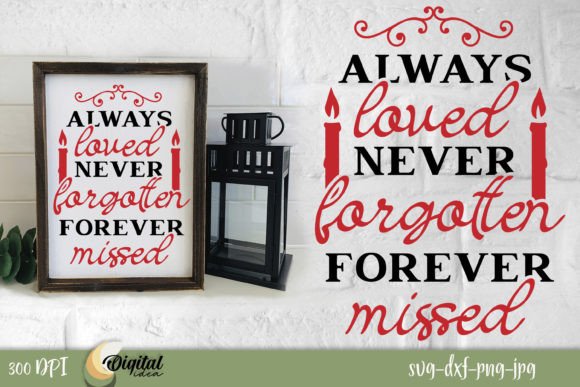
When I first opened the Memorial Quotes SVG folder, I was drawn to the elegant composition of the text. The phrase “Always Loved” is presented with clean lines and subtle curvature, giving it a soft yet enduring feel. The layout suggests a thoughtful balance between negative space and lettering, which immediately tells me it's well-suited for a variety of embroidery applications—especially where sentimentality plays a key role.
What stands out is how the design feels less like a graphic and more like a message. It doesn’t shout; it whispers. This kind of visual tone can be powerful on handmade products such as custom sweatshirts, tote bags, or baby items. For someone looking to create personalized gifts or boutique-style merchandise, Always Loved has that gentle gravitas that speaks volumes without being overwhelming.
Where It Fits Best
I see Always Loved working beautifully on larger hoop sizes, especially when stitched onto fabric like cotton, linen, or canvas. Its simplicity allows it to shine on custom apparel—think cozy sweatshirts or soft hoodies—and on holiday gifts like embroidered pillows or decorative tea towels. It’s also a strong candidate for embroidered patches or nursery decor, where its message of comfort and remembrance can resonate deeply.
For Etsy sellers and handmade shop owners, this design could become a signature element in your collection of personalized products. Whether you're creating keepsakes for grieving customers or meaningful memorial gifts, the right design can make all the difference in connecting emotionally and professionally.
Real-World Application: Stitching Through the Details
In a recent project, I used Always Loved on a custom embroidered sweatshirt for a client who wanted something heartfelt for their late mother’s birthday. I chose a medium-weight cotton blend and a light gray thread color against a navy background. The result was warm and respectful, with just enough contrast to highlight the words without making them look harsh.
One thing I noticed was how the spacing between letters felt intentional. This helped avoid any issues with stitch distortion, even after multiple washes. The lack of overly decorative elements meant the focus stayed on the message, which was exactly what the client wanted. They appreciated the understated elegance and said it brought a sense of peace to the finished product.
On tote bags, I found the design added a nice touch without competing with other embellishments. It worked equally well as a standalone embroidery file or paired with simple satin stitch borders. In one case, I layered it subtly under a floral fill stitch pattern, letting it peek through slightly—a technique that gave the piece depth while maintaining clarity.
Visual Appeal and Brand Value
Always Loved isn’t going to win any awards for complexity, but it excels in emotional impact. Its minimalism means it can adapt to many styles and themes. As a craft business owner, I know how important it is for designs to reflect both quality and intention. This one does that well.
When used correctly, it enhances the product value by adding a layer of meaning. Customers don’t just buy a bag—they buy a memory. That’s rare in the world of machine embroidery design, and it gives your offerings a unique edge in a crowded market. Whether you’re targeting holiday gift buyers or those seeking personalized gifts, this design can elevate your presentation and increase buyer engagement.
Use with Caution: When Less Might Be More
While Always Loved is versatile, there are some situations where it might need extra care:
- Small hoop sizes: The design is best suited for at least a 5x7 inch hoop to maintain readability and visual balance.
- Textured fabrics: On denim or flannel, the stitching can get lost in the grain. Consider using a contrasting thread or adjusting stitch density.
- Thin or stretchy fabric: Delicate materials like silk or spandex may cause distortion. Always test with a stabilizer and proper backing.
- Dark fabric backgrounds: Light thread colors might fade into black or navy. Try white or metallic threads for better visibility.
- Curved surfaces: On caps or hats, ensure the design is centered and scaled appropriately to prevent misalignment.
These considerations aren’t dealbreakers—they’re reminders that thoughtful execution matters more than the design itself. As a professional, I always recommend testing before production. Run a few samples on scrap fabric, adjust stitch density, and check how it looks from different angles and lighting conditions.
Designer Notes: Practical Tips for Use
- Test on scrap fabric first: Especially if you're planning to use it on thin or stretchy materials.
- Check thread color contrast: If you're using dark backgrounds, opt for bold thread shades like white, gold, or silver.
- Review stitch density: Make sure the stitches don’t bunch up too much or leave gaps. Adjust as needed for the fabric type.
- Confirm hoop size: The design should have enough room to breathe. Don’t cram it into a smaller hoop unless absolutely necessary.
- Inspect small details: Though the design is simple, check for alignment and consistency across all file formats.
- Try black and white mockups: This helps visualize how it will look without color bias.
- Compare light and dark fabric backgrounds: You might find the design works better in certain contexts depending on fabric choice.
- Use proper stabilizer: Especially important for delicate or stretchy materials to prevent puckering or shifting.
- Check licensing before selling: Ensure the digital embroidery file allows commercial use if you plan to sell the finished product.
A Design That Works for Both Heart and Business
From a craft business standpoint, Always Loved offers a great opportunity to build brand consistency around emotional, meaningful items. Whether you're creating small shop product lines or expanding your design assets for commercial embroidery, this design can serve as a cornerstone for a collection focused on memorials, condolences, and remembrance.
Its neutrality also means it can easily slot into printable mockups or digital product previews, helping you showcase the design effectively to potential customers. For creative entrepreneurs, this kind of flexibility is invaluable—it supports both personal creativity and practical scalability.
However, it's worth noting that this design may not work as well in high-detail environments. Tiny lettering or complex stitch patterns near it could distract from its message. Also, avoid using it on heavily washed items like everyday kitchen towels unless you’re prepared to reinforce the stitching with a stronger thread or backing material.
Final Thoughts: A Quietly Powerful Design
Always Loved isn’t the kind of design that grabs attention with boldness or flair. Instead, it earns its place through sincerity and subtlety. As a designer, I appreciate that it communicates emotion without excess, making it suitable for a wide range of embroidery projects from sweatshirt embroidery to memorial quotes on custom aprons or patch designs.
It’s a solid choice for anyone in the Graphics and Crafts industries who values storytelling through design. Whether you're a seasoned apparel decorator or a new handmade product seller, this design can help you create pieces that matter—not just visually, but emotionally.
Remember to treat it with the same care you would any real project use scenario. Test, adjust, and tailor it to your specific needs. With the right approach, Always Loved can become a staple in your embroidery design toolkit, bringing comfort and craftsmanship together in every stitch.