Adventure Is Out There: A Practical Embroidery Design Review
If you're an embroidery designer, small business owner, or a creative entrepreneur in the craft space, you know that choosing the right design can make or break your product. "Adventure is out There" isn’t just a catchy title—it’s a concept with visual potential. As someone who has tested and used countless embroidery files for real-world projects, I wanted to take a closer look at this design bundle and see how it holds up in practice.
First Impressions: Mood and Visual Personality
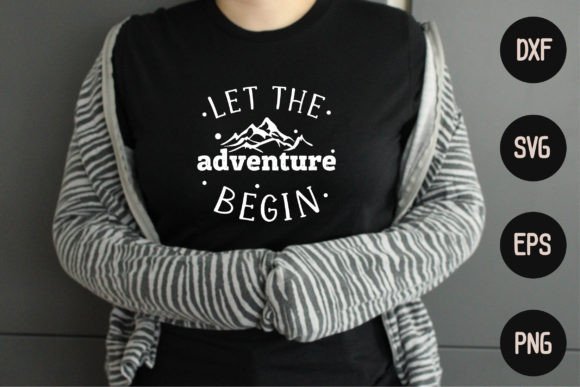
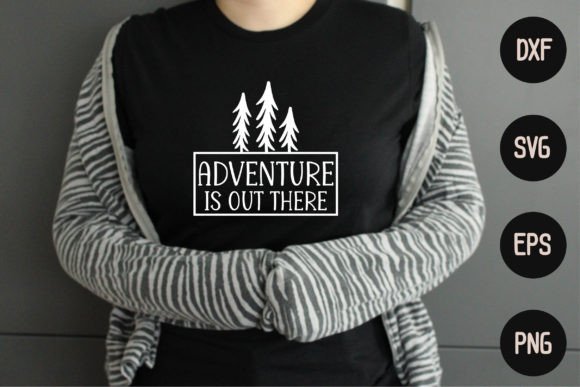
The first thing that struck me about Adventure is out There is its bold and inviting personality. The layout is well-balanced, with a central quote that anchors the piece while surrounding illustrations—like mountains, tents, and maybe even some whimsical characters—add a sense of movement and story. It feels like a design made for adventure enthusiasts, campers, or anyone looking to inspire a love for the outdoors.
Visually, the design leans into a cheerful and motivational vibe. The colors are warm and inviting, but not overly saturated, which is a plus when considering thread availability and fabric compatibility. The details are crisp without being too intricate, making it a versatile choice across different embroidery applications.
What Kind of Project Fits Best?
This design naturally belongs on items that carry a message or theme. Think custom sweatshirts for outdoor brands, tote bags for travel-themed gifts, or embroidered patches for kids’ backpacks. Its friendly tone also makes it suitable for nursery decor or personalized baby clothes, where the sentiment of “adventure awaits” can be both comforting and inspiring.
Real-Life Embroidery Performance
Embroidery is more than just aesthetics—it's about performance. Let’s break down how Adventure is out There behaves in actual stitching scenarios:
- Custom Apparel: On a sweatshirt or t-shirt, the design reads clearly from a distance. The placement of the text and imagery works well on front or back positions, depending on your branding needs. For a boutique-style shop, this could become a signature line if styled correctly.
- Tote Bag Design: The design scales nicely for tote bags, especially when placed centrally. The layered elements don’t overwhelm the canvas, and the stitch density is manageable for most standard hoop sizes. Just be mindful of the bag’s texture and use stabilizer accordingly.
- Baby Clothes and Nursery Decor: If simplified or resized, the design can work beautifully on onesies or pillow covers. However, avoid using the full detail version on tiny garments—the intricate parts might get lost or cause bulkiness in sensitive areas.
- Embroidered Patch: This one shines as an applique design. The clear lines and limited color palette allow for easy conversion to a patch format, and the stitched result looks clean and professional on denim jackets or backpacks.
- Commercial Embroidery Projects: The file seems structured for consistency, which is great news for commercial use. It can easily be integrated into a product lineup for a craft brand or used in digital product previews for Etsy sellers. That said, always confirm licensing terms before selling finished goods or digital embroidery files.
Where to Use with Caution
While the design is adaptable, there are situations where it may require extra attention:
- Small Hoop Sizes: Some elements, especially the detailed corners and smaller lettering, may need to be scaled back or simplified for mini hoops.
- Textured Fabrics: The fine lines and subtle shading may struggle on flannel or fleece. Test it on scrap material first to ensure clarity after stitching.
- Thin or Stretchy Fabric: Without proper stabilizer, the design’s stitch density could cause puckering or distortion. Always test on similar fabric before production runs.
- Dark Fabric Backgrounds: The default thread colors might not contrast well against darker bases. Consider changing to white or light-colored threads for better visibility.
- Curved Surfaces (e.g., Caps): Placement on curved surfaces requires careful alignment. The design doesn’t have built-in curves, so manual adjustments may be needed.
- Frequent Washing: Items like aprons or tea towels need durable stitching. Make sure the satin stitches are tight enough to withstand repeated laundering without fraying.
Visual Appeal vs. Stitching Clarity
One of the key things I look for in a machine embroidery design is how it translates from screen to fabric. Adventure is out There does a solid job here. The SVG/PNG/DXF formats suggest flexibility in editing, which is important for resizing and adapting to various projects.
However, the balance between visual appeal and stitching clarity is something to consider. While the design is eye-catching, the level of detail means you’ll want to inspect every corner before finalizing your project. Tiny lettering or complex fill patterns can become muddy if not optimized for the specific fabric and machine you’re using.
Impact on Product Value and Customer Trust
A good embroidery design elevates a handmade product beyond a simple decoration. Adventure is out There adds a layer of storytelling and intentionality to any item it’s placed on. Whether it’s a holiday gift or a branded cap for a small shop, the design contributes to a higher perceived value.
As an Etsy seller or craft fair vendor, this kind of design helps build customer trust because it looks professionally done. Buyers recognize quality in the stitching and presentation, which can increase repeat sales and positive reviews. For branding purposes, using this design consistently across multiple products (like tote bags and sweatshirts) enhances recognition and reinforces your shop’s identity.
Designer Notes for Real-World Use
Here are my top tips for getting the best results with Adventure is out There:
- Test on Scrap Fabric: Always do a test run before moving to final materials. This lets you catch issues with tension, color contrast, and stitch definition early.
- Check Thread Color Contrast: Especially if using on dark backgrounds. You may need to adjust colors manually to ensure legibility and impact.
- Review Stitch Density: Dense fill areas might need thinning to prevent lumps or puckering. Running stitch outlines should be checked for smoothness.
- Confirm Hoop Size: Depending on your machine and the scale of the design, you may need a larger hoop to accommodate all elements properly.
- Inspect Small Details: Zoom in and check for tiny letters or delicate shapes. These can sometimes disappear during the digitization process or become misaligned when resized.
- Use Proper Stabilizer: Especially for stretchy or thin fabrics. Tear-away alone won’t cut it for high-density stitching.
- Test Black and White Mockups: Before printing or sharing digital previews, try converting the design to grayscale. This helps identify areas that rely too much on color for clarity.
- Compare Light and Dark Fabrics: The design looks great on light-toned cotton blends, but its effectiveness on darker tones depends heavily on thread choices.
- Verify Commercial Licensing: If you plan to sell finished products or digital embroidery files, double-check the licensing terms included in the Adventure Svg Design Bundle. Many free designs come with restrictions that limit their use in retail settings.
Final Thoughts on Branding and Giftability
From a branding standpoint, Adventure is out There offers a lot of mileage. It fits seamlessly into themes around exploration, family bonding, or personal growth. As part of a digital product preview or printable mockup, it adds a professional touch that can boost buyer engagement.
When it comes to giftability, this design is a hit. It works well for personalized gifts—just add a name or date—and is popular among parents looking for meaningful nursery decor or apparel for their little adventurers. It’s also a strong contender for seasonal or holiday embroidery projects, especially when paired with subtle color changes or added accents.
In short, Adventure is out There is a reliable and expressive design for many crafts and graphics projects. It’s not perfect for every situation, but with thoughtful preparation and adjustment, it can become a valuable asset in your creative toolkit. Just remember to treat it like any other machine embroidery design: evaluate, test, and adapt based on your specific materials and goals.
⬇️ Download FreeFree download · No sign-up required🔗 You Might Also Like
CraftsAs an experienced embroidery designer and product reviewer, I often find myself ...CraftsFirst Impressions and Visual Personality The Happy Columbus Day Retro Svg Design...CraftsAs an embroidery designer with years of experience in creating and evaluating di...CraftsDesigner Notes: Practical Tips for Use Test on scrap fabric: Always do a trial s...CraftsFirst Impressions: A Playful Yet Timeless Vibe The moment I unzipped the Live Lo...